

Guess who’s back, back again?! My post is back, don’t tell a friend! Hey there wonderful human minions, I hope you guys have been having an amazing time! I am back with a brand new blog post and in this post I will be discussing 1.) Uses and Gratifications theory and 2.) The Trevor Project – an example of a lobby group. So, without further ado let’s jump right into the discussion…
What is ‘Uses and Gratifications’ theory?
Uses and gratification theory builds off of a history of communication theories and research. Jay Blumler and Denis McQuail laid the primary groundwork in 1969 with their categorization of audience motivations for watching political programs during the time of the 1964 election in the United Kingdom. This eventually led them to develop Uses and Gratifications theory later on with their colleagues
Uses and gratifications theory asserts that individuals seek their preferred choice of media in order to satisfy – or in other words, ‘gratify’- their certain needs and wants. This theory is fundamentally different from other ‘media effects’ studies because it states that an individual plays an active role as a consumer of media, which in turn suggest that individuals have power over their choice of media consumption, unlike, the other group of studies which places consumers of media in a passive position
The outlines of the theory:
Now that we have established individuals consume media based on the needs they would like to fulfil and satisfy, let’s tread further to investigate what the common types of needs are. Reason/Need for the use of media are classified and categorized into 5 different needs.
- Cognitive needs:
Although it is unusual, there are members in the audience that have the thirst to seek and acquire intellectual and academic knowledge, thus they resort to using the media to gather knowledge, information, facts, etc .
- Affective needs:
People resort to using various forms of media to satisfy all kinds of emotions, pleasure and moods. (Although, this does come as a surprise to me as I certainly had no idea that my classmates have emotions to satisfy. Lads, they are all walking robots….)
- Personal Integrative needs:
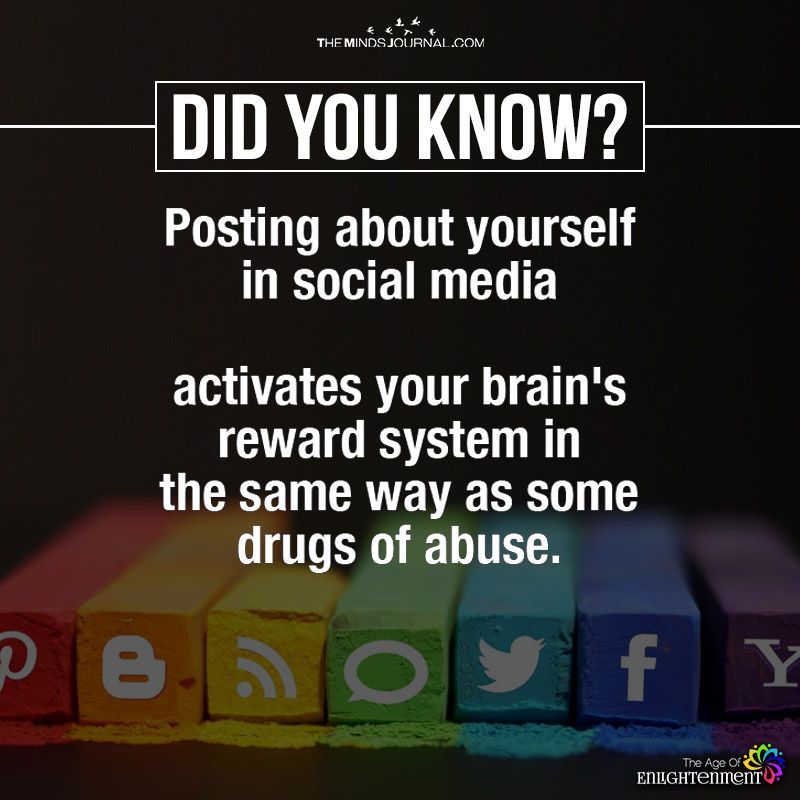
This particular need is also known as the self-esteem need. Individuals use the media platforms to self-assure their status and sense of credibility in the society they are living in. I personally feel that, this particular need creates an unhealthy obsession with keeping up with the trend in order to gain acceptance from society.
- Social Integrative needs:
This classifies the need to socialize with family, friends and relations in society. In the age of technology, people would rather turn to social media platforms such as; Facebook, Instagram and Twitter etc to communicate than to have an outing. This can be explained by the ease technology provides. For example, it would be easier for me to catch up with a friend through text then to schedule a meet up and then spend hours trying to do, in essence, the same as the former goal.
Furthermore, it is not uncommon for individuals (since humans are such majestic social butterflies) to start watching a particular programme just to have a mutual topic to discuss about during a social interaction. For example, there was a period of time where the ‘Game of Thrones’ series was a common topic of discussion among peers.

- Tension free needs:
Media is perceived to be a drug in certain occasions as individuals use it as a mean to escape from the tension and stress filled reality they are living in; escapism.
It is a known fact that life does become a bit of a rat race. Tension and stress always seems to be around at every curve in life. So, the cheapest and easiest way to escape all this, is to switch on the television and just indulge in the storyline of a movie which takes you faraway from reality. Thus, in my opinion, I think this is the most probable reason as to why I would resort in using the media
What does it aim to find?
In summary of all the details above, Uses and Gratifications research seeks to comprehend the purpose behind the choice of media an individual chooses to consume.
Part 2: An example of a ‘Lobby’ Group
Moving onto our next segment, which is to cite an example of how ‘lobby’ groups make use of a particular readings of images to make an argument or stand. So, all aboard the Blog Post 3 train! (I know it is lame, now stop cyber bullying me and focus on the actual content I am trying to convey to you muggles – non-believers of Siva’s magic.)
Many of us are aware of the challenges the LGBTQ community faces, and although it troubles me to realize the numerous hardships this community encounters, I am relieved to a certain extend that there is help within reach for people in need. One such organization is “The Trevor Project”.
Trevor, the Oscar-winning film launched a national movement. When producer Randy Stone secured an airing on HBO with Ellen DeGeneres hosting, director/producer Peggy Rajski discovered there was no real place for young people like Trevor to turn when facing challenges similar to his. In 1998, Trevor Lifeline became the first national crisis intervention and suicide prevention lifeline for lesbian, gay, bisexual, transgender, queer & questioning youth

Here is an image that the project had shared in their campaign; “WORDS CAN KILL’
- Denotations:
- Pills with the derogatory lingo etched onto them
- Pills spilled on a sink
- Connotations:
- Trauma inflicted by such name calling needs medication to nullify the pain.
- Based on the pills being spilled sign one can assume that overdose might have been a possible outcome. Which in turn suggest that, such words do afflict pain to certain extend or worse still, torment the individual till they choose to end their life.
- As there is a presence of sink, perhaps the message being conveyed by this picture is to highlight the subtle hint that the individual suffers in silence. This is because, usually when people take their medication in the toilet, it is either their daily medications or medications they do not want anyone else to be aware of. Since we are aware that in certain societies the LGBTQ community is shunned away, the latter seems to be most probable.


Here are a few more illustrations from the campaign; ‘WORDS CAN KILL’.
Stand:
It does not take a genius to decode the message these pictures are conveying, but just in case some of you are sleep deprived, here goes the purpose of this campaign. It is to raise awareness of the adverse effects simple name callings contain and to make a stand for victims of such thoughtless acts carried out by immatures.
The End!
Thank you very much for you time ladies and gentlemen!
Till the next impending blog post, have a wonderful time!

 Siva's Thoughts
Hey Siva! Gillian here! First of all, I am not a human. Wait, I mean I am not a minion! Yup, ignore that human part. I am definitely a human. No, this isn’t me padding out the comment word length. Or is it?
So moving on, I really enjoyed your blog’s writing style! Makes it super enjoyable to read! I also really like your lobby group example! It’s 2020 man, why do people still gotta hate on other’s life choices like that. It’s not like they’re hurting anyone. The world will be a much better place if we can be more tolerant! Like you’ve said in your blog, it is a little reliving to know that there are support/help groups for the LGBTQ community. Hopefully things will keep getting better for the community! It was great reading your blog and I’ll be looking forward to your next post!
LikeLiked by 1 person
Hi Siva! Really engaging post with the use of images and it was really for me to read through as it gave me an in depth understanding of what each needs means. The “lobby” group you have chosen was insightful as it sheds light on the LGBT community and how the project is able to lessen their burdens and lend a listening ear for them to share their problems to
The use of semiotics on the image was descriptive and shows the hidden meaning the picture is trying to convey. Looking forward to reading more of your posts and your inputs! Cheers!
LikeLiked by 1 person